
Explore Cuba’s Organic Revolution - Western Cuba
February 01-14, 2027

Cuba’s quest for an organic and sustainable agriculture began in earnest with the collapse of the Soviet Union in the late 1980’s.
Faced with a looming food shortage due to the sudden loss of agrochemical and food imports from the eastern block, the Cuban people were at a critical crossroads: somehow the country needed to produce far more of its own food with far fewer outside in-puts or face widespread starvation.
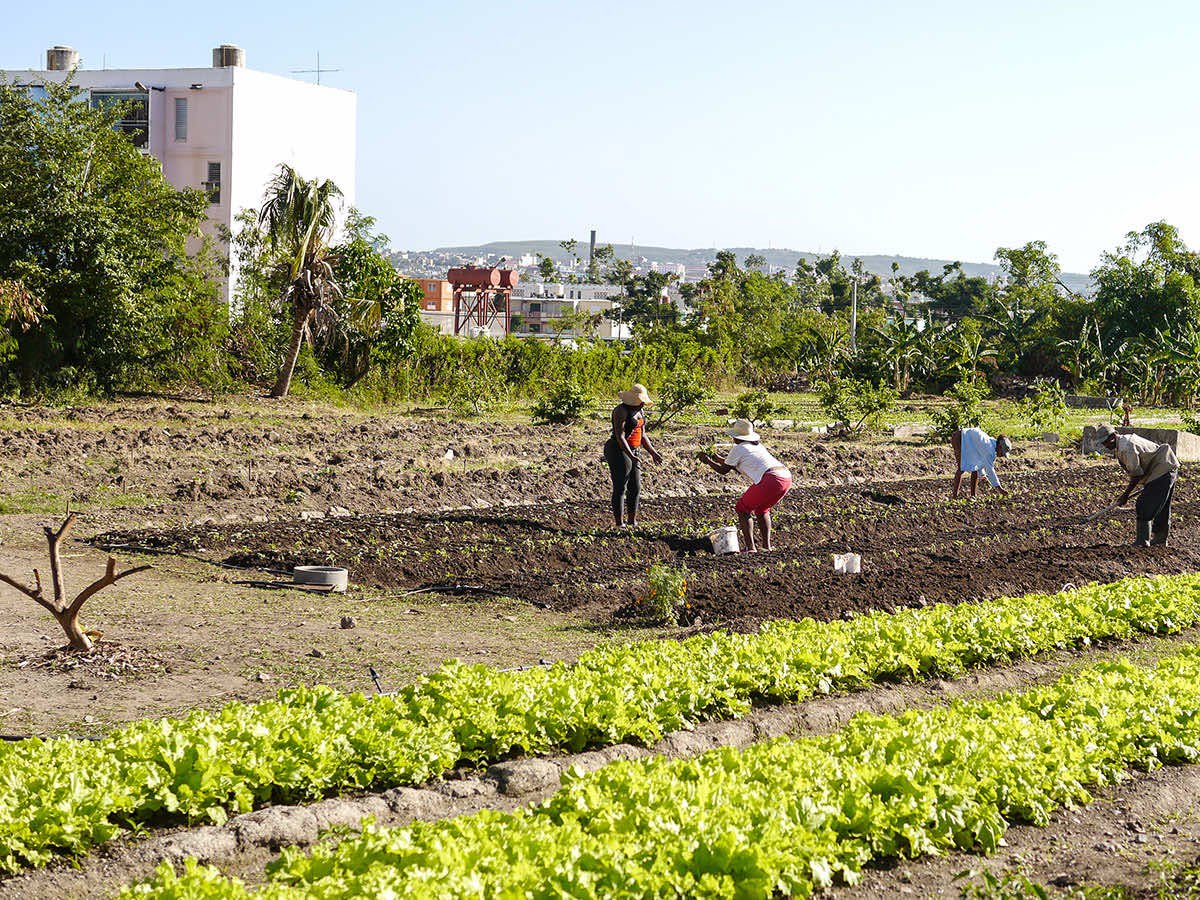
This crisis sent Cuba firmly down the path towards an organic and localized food model. Massive educational campaigns and numerous demonstration farms were established to teach Cuban farmers organic methods. Comprehensive land reform measures were also set in place, transforming large state farms into worker-owned cooperatives and small independent family farms. The urban agriculture movement emerged to provide thousands of Cubans with the opportunity to turn vacant urban lots into productive organic micro-farms.

For many years, these innovations worked!
HOWEVER, the unfolding story of Cuba’s struggle for food sovereignty is now more urgent than ever. The global Covid-19 pandemic resulted in the collapse of income from tourism – a key driver of the Cuban economy. A tightening of the economic blockade by the USA under Trump, along with a drop in trade with Venezuela, Russia and China has resulted in a new economic crisis in the country. The energy blockade of the country over the past year has been devastating to the lives of many Cubans resulting in prolonged blackouts, interruption of medical and other essential services, a transportation crisis and increased difficulties in growing, processing and storing food.
To make matters worse, increased frequency and intensity of hurricanes, floods and droughts are impacting the agriculture sector increasingly every year. Widespread shortages of fuel, food, and basic supplies for agriculture and domestic life are now creating havoc in the country. There has been a flood of out-migration as younger Cubans are travelling to Central America to join the dangerous migrant caravans heading to the USA. The burden of feeding the country’s population is increasingly falling onto small farmers as many of the state’s social food programs are no longer functioning. As some Cuban migrants are being deported from the USA back to Cuba, they face an uncertain future in an already stressed country.
Can Cuba’s small organic farms, urban agriculture projects,
and other food security innovations rise to the challenge?
Join us for this 14 day adventure into the heart of Cuba to find out!

Seeds, Soil and SOLidarity – Cuba 2027 will provide a unique opportunity to explore Cuba’s organic revolution in a manner not normally available to tourists. In close partnership with key Cuban organizations in the organic agriculture and permaculture movements, we will have direct access to the heart of Cuba’s ongoing organic transformation. This trip will explore the role that small farms, community projects, and permaculture practitioners are playing in the current economic crisis facing the country.
Included in our 14 day Itinerary:
Orientations to Cuba, the current crisis and the responses of farmers, organizations and the Cuban people
Visits to small farms, cooperatives, demonstration sites and research centres
Visits to see how small solar power systems are massively changing the Cuban energy grid making Cuba a world leader in the transformation away from fossil fuels - by necessity!!
Visits to agro-forestry, permaculture, urban agriculture projects and ecological reserves
Sharing and dialogue with Cuban permaculturalists, organic farmers and food security activists
Opportunity for hands-on work in partnership with our Cuban friends and host organizations
Opportunities to explore Cuba’s rich history, culture, music, beaches, ecological reserves and natural areas
Opportunities to join in solidarity with the Cuban people during this time of uncertainty and struggle
Optional additional time for individual travel or an extended stays in the country following the end of the program
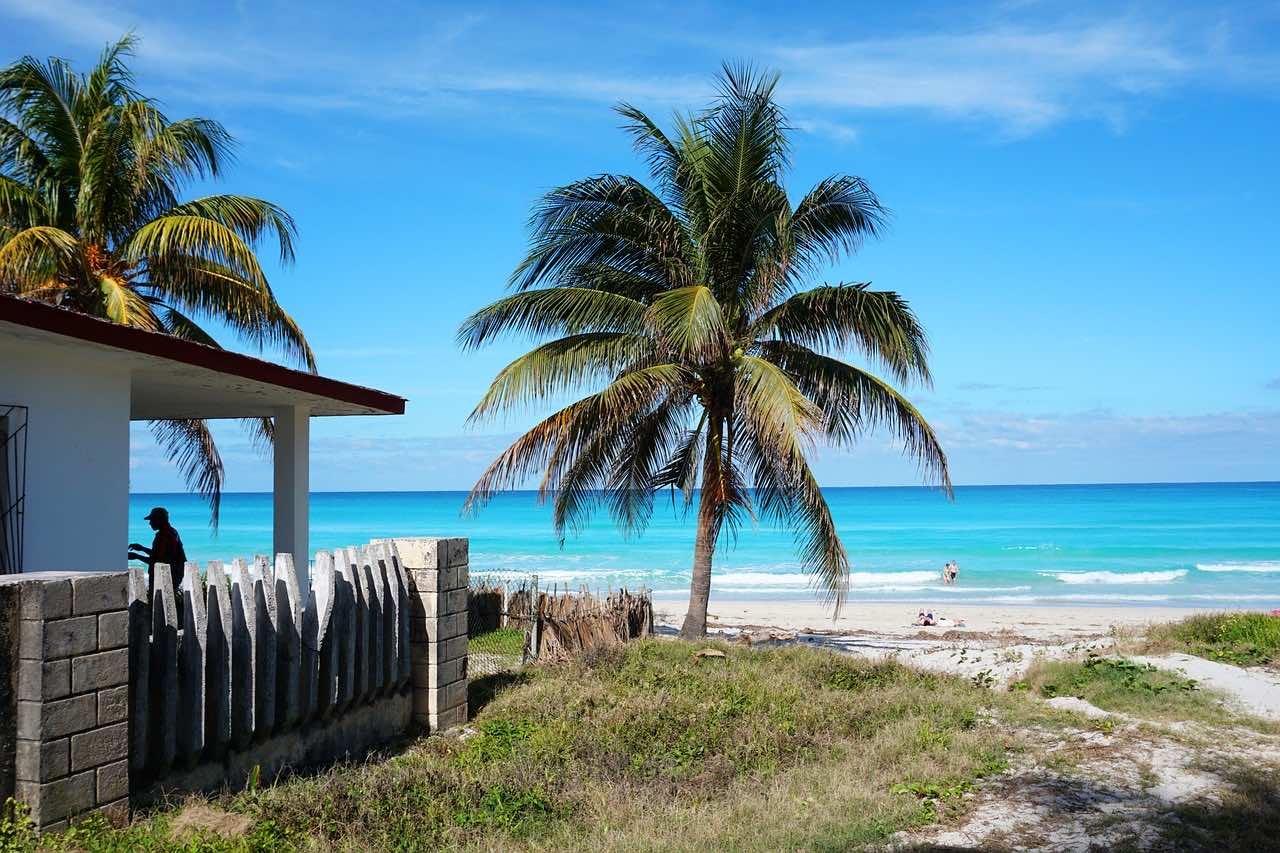
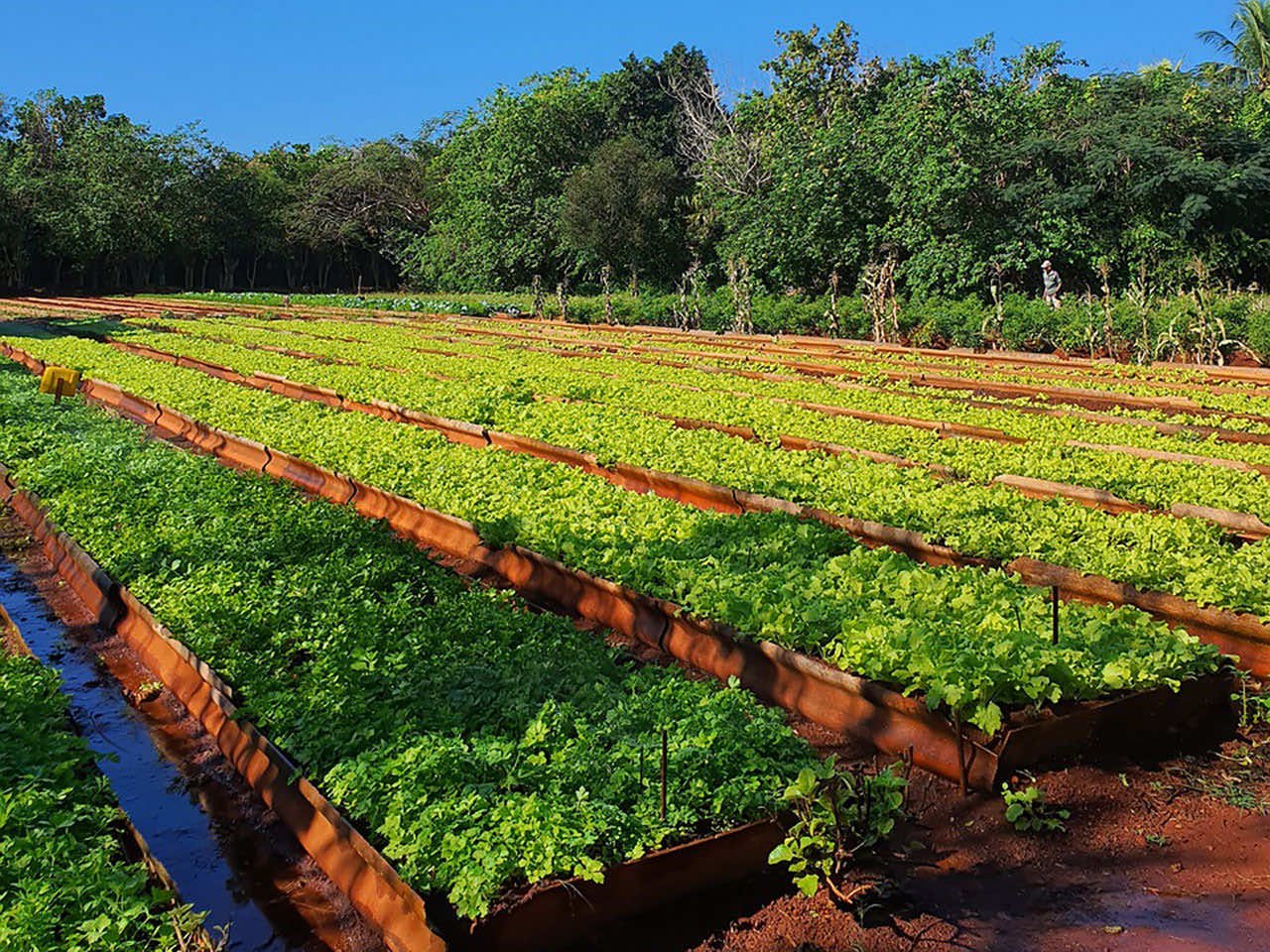
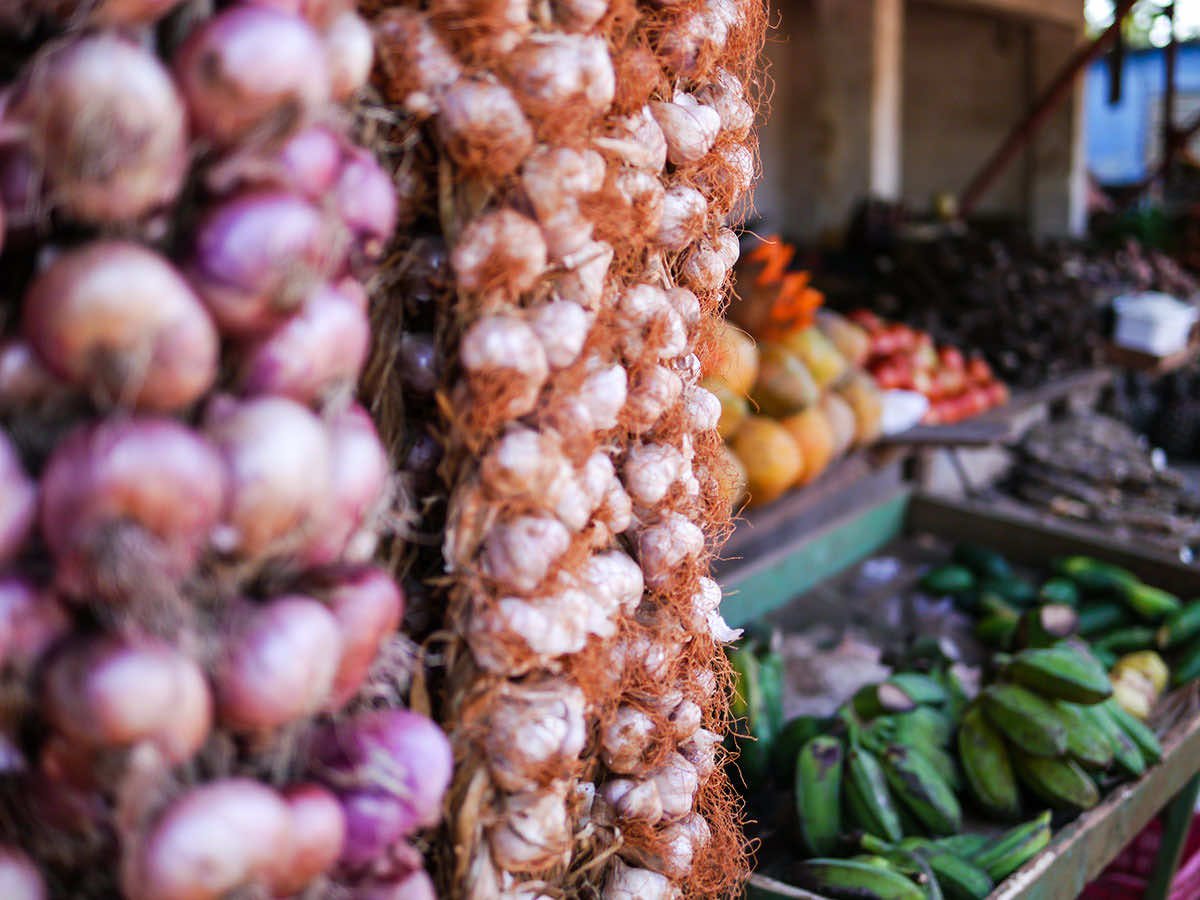
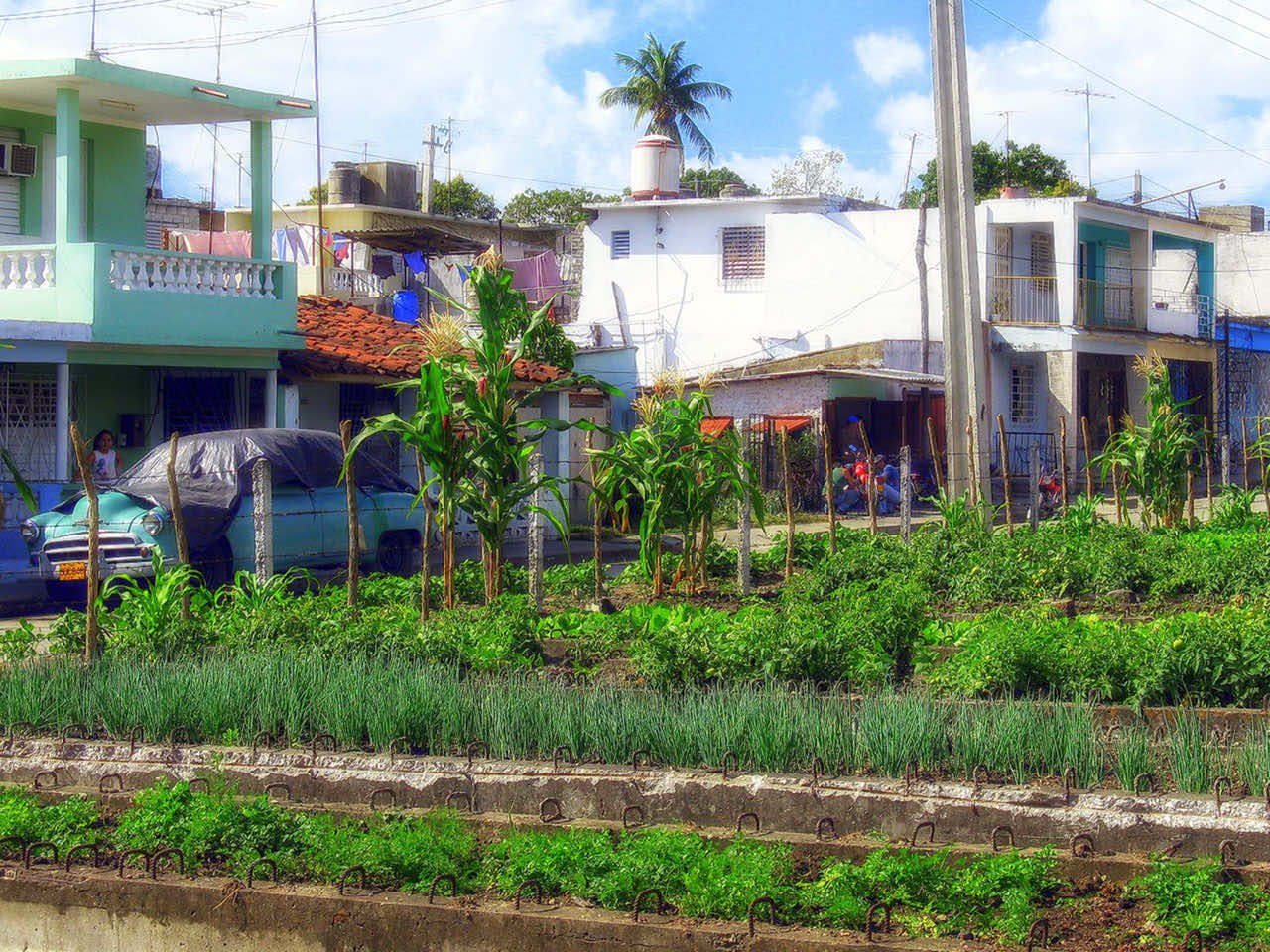
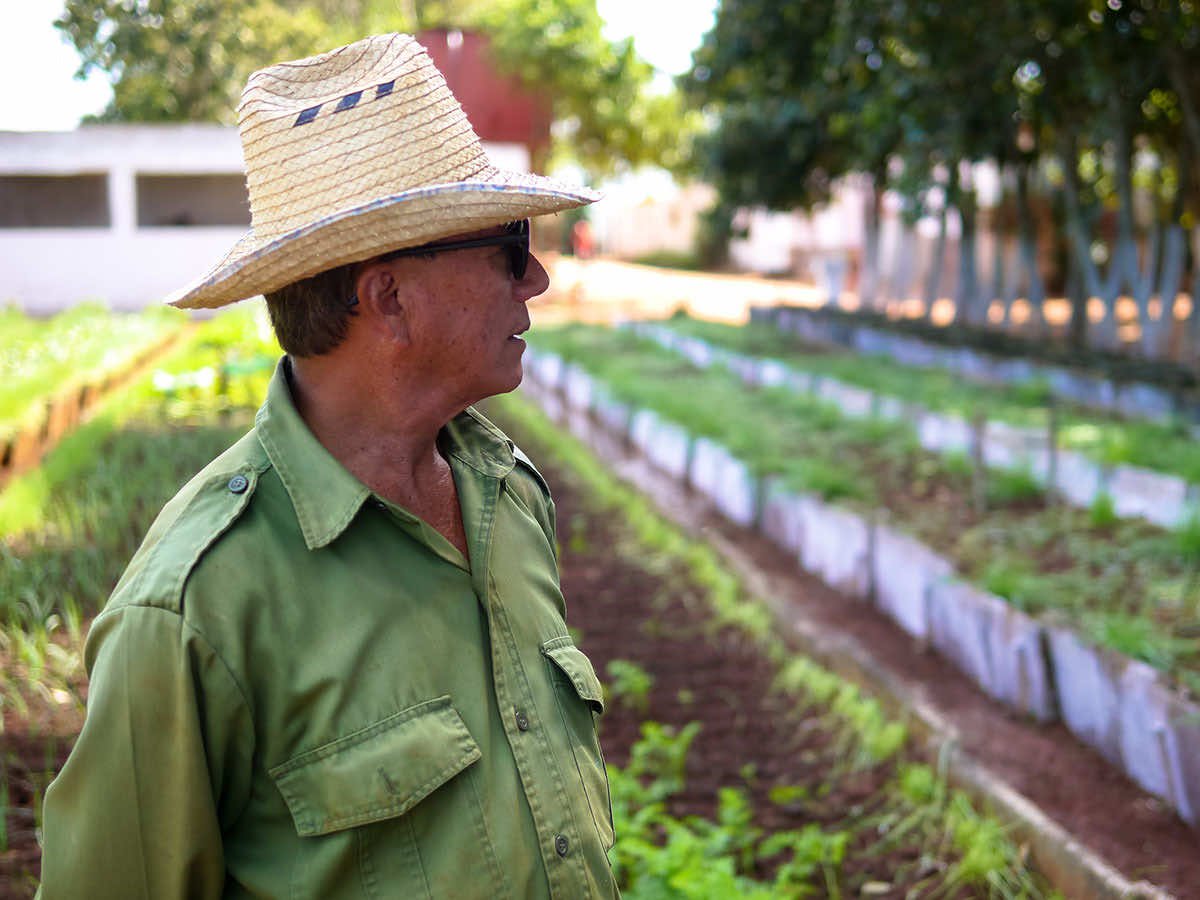
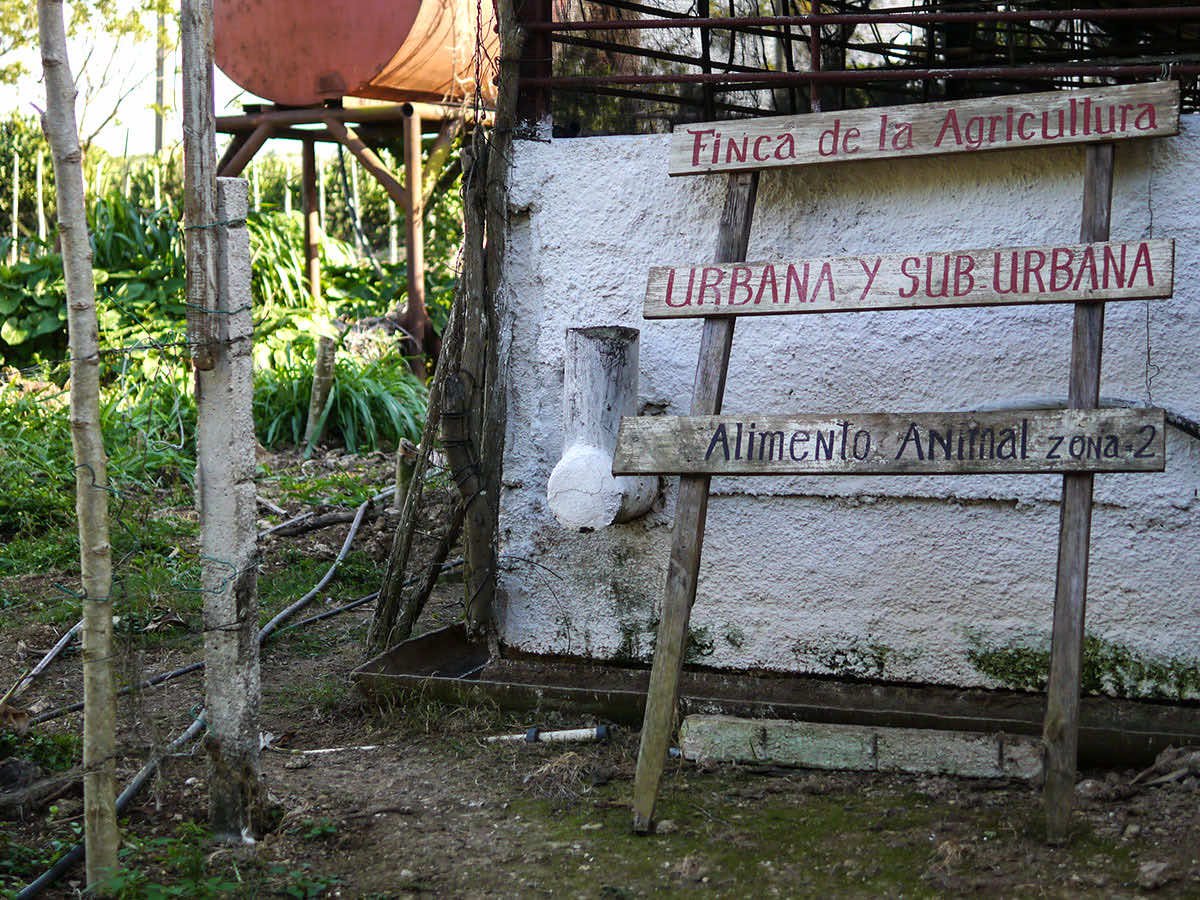
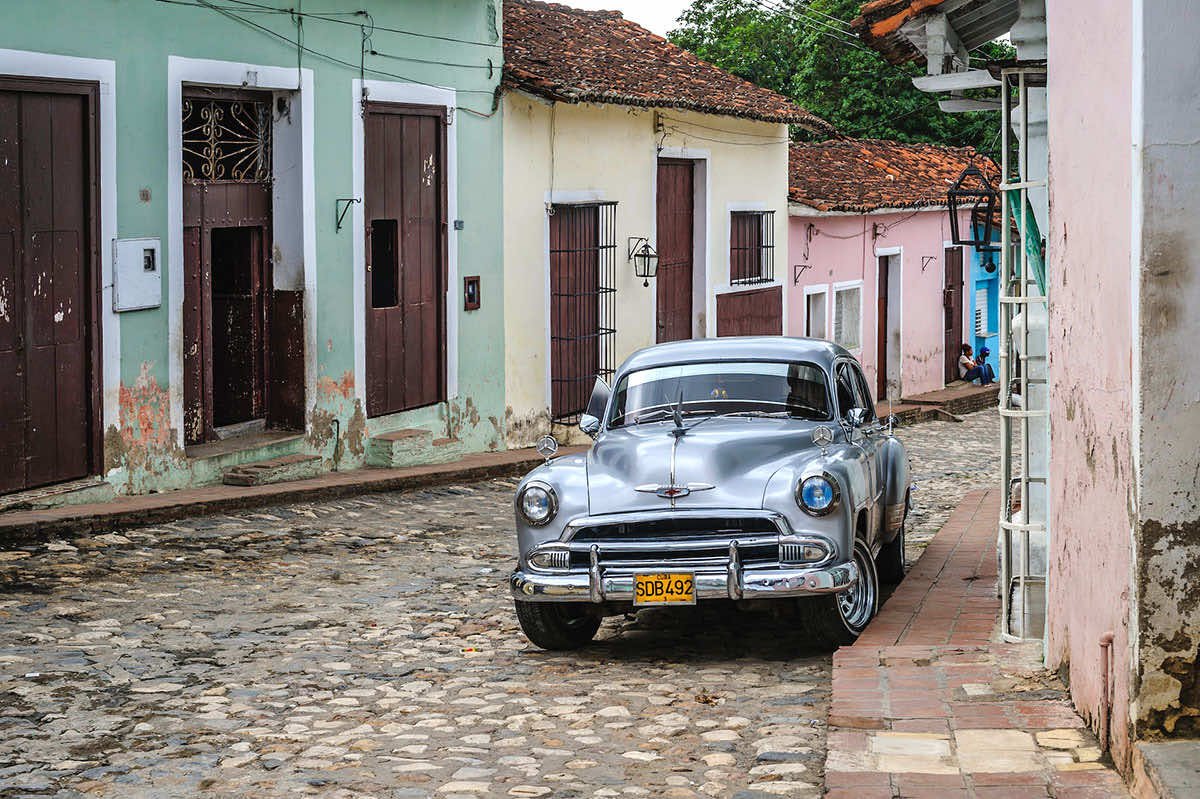
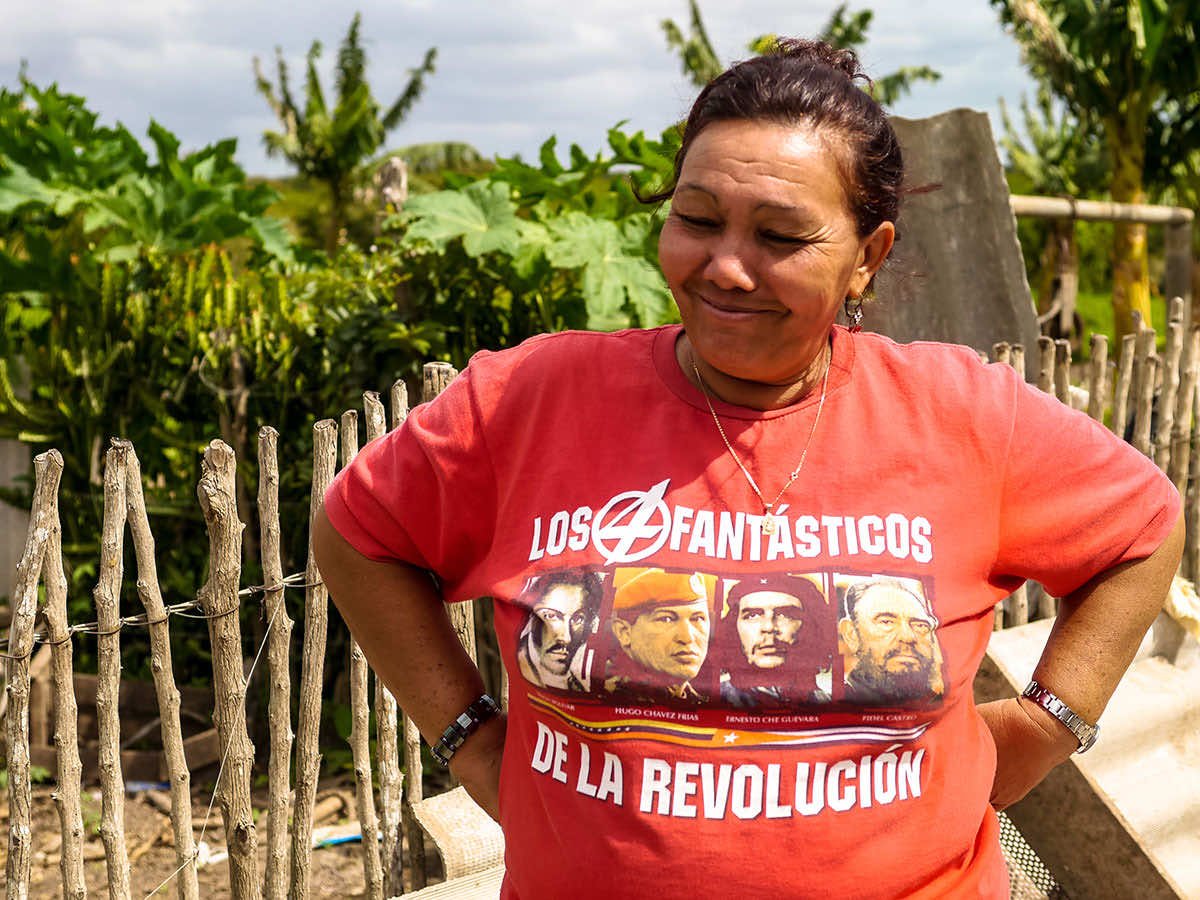
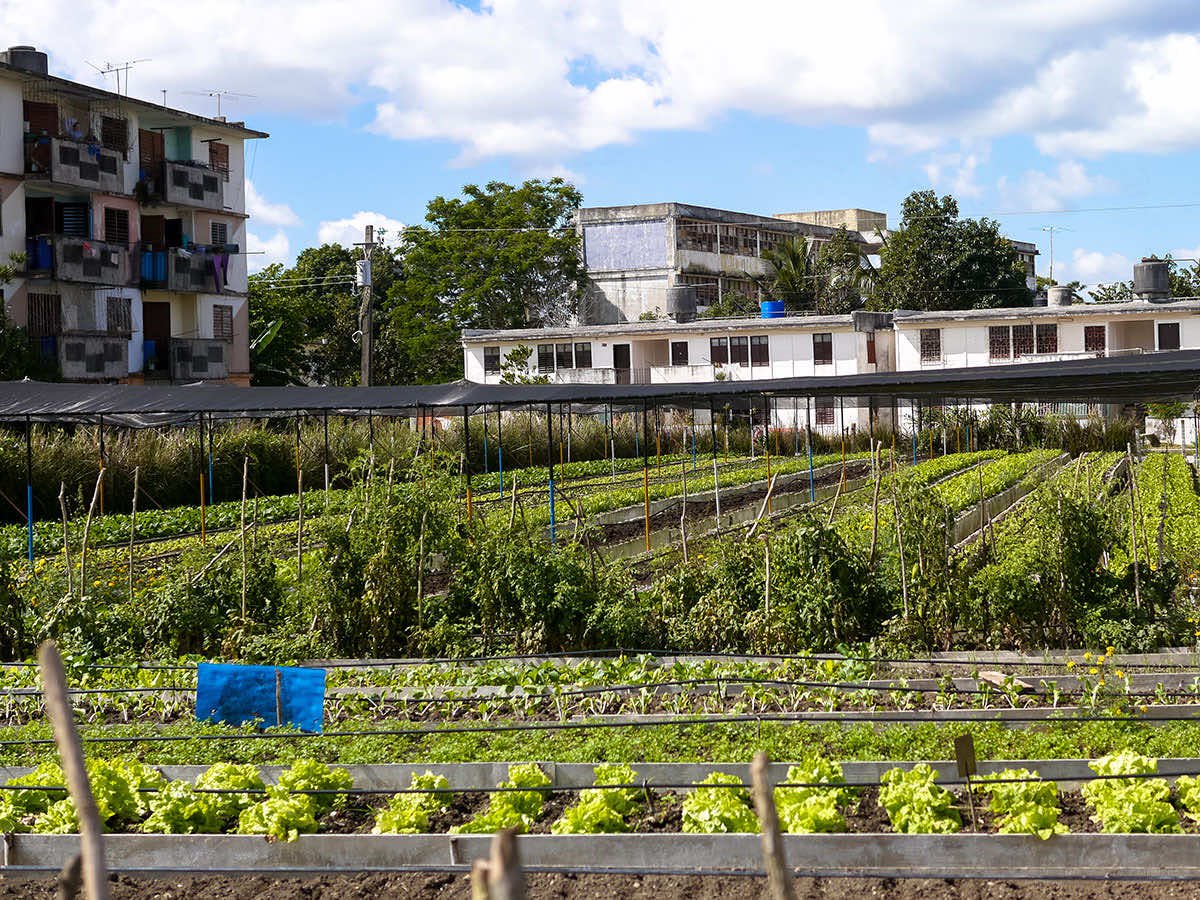
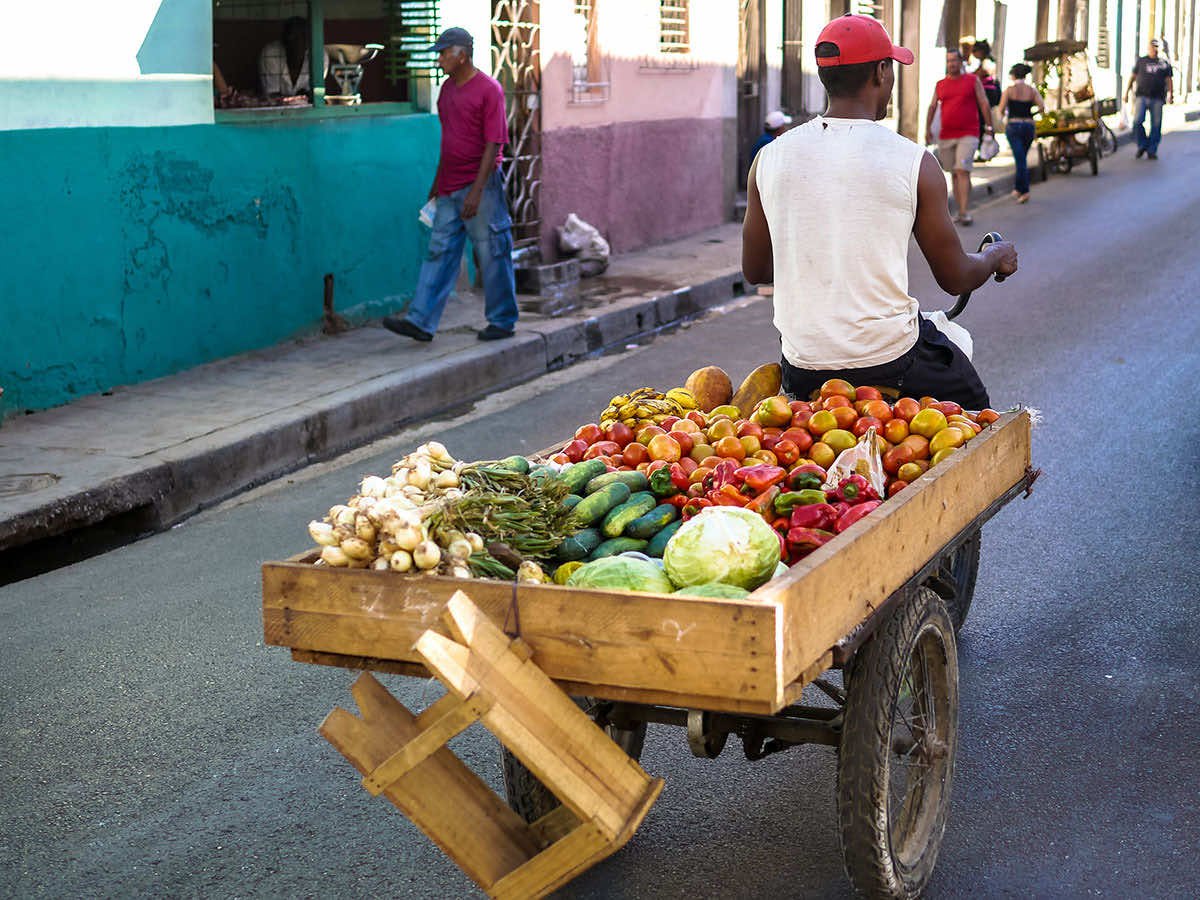
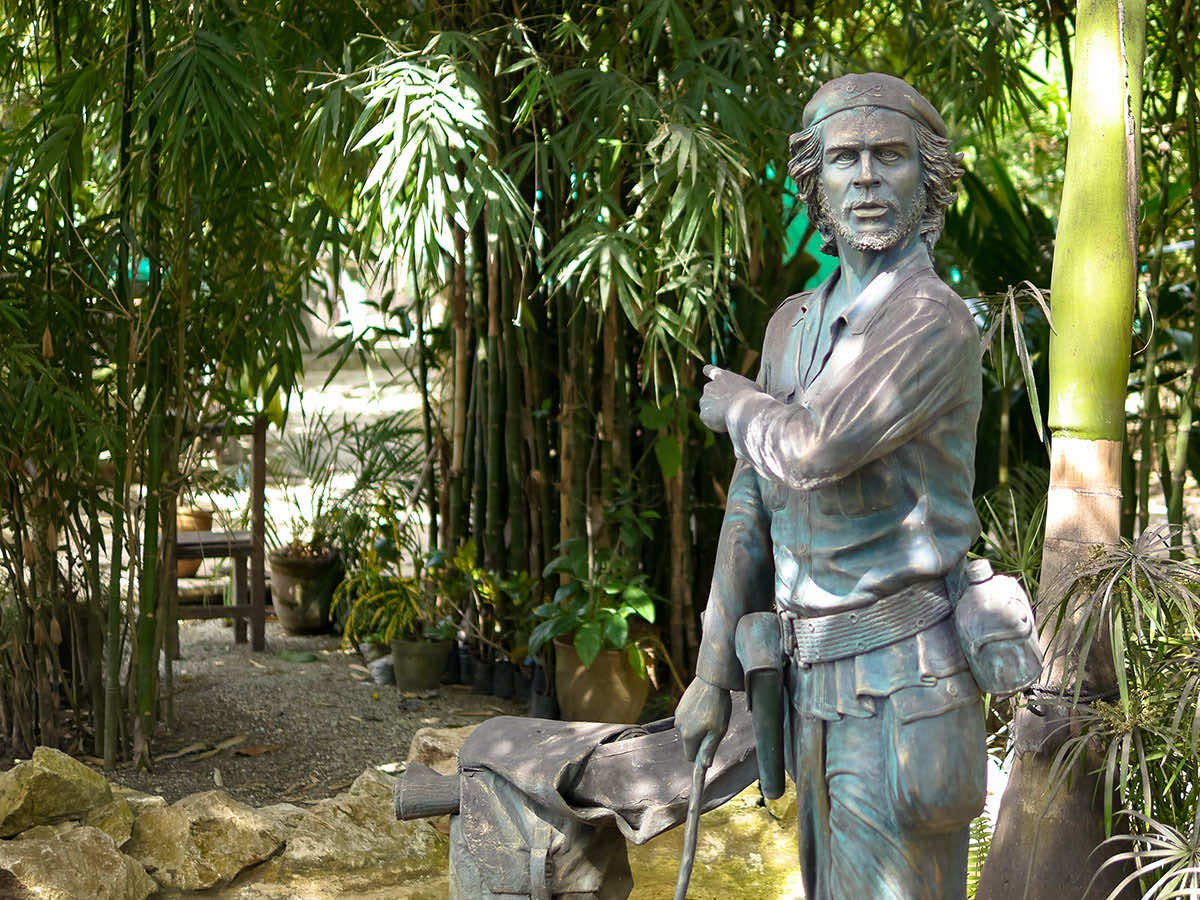
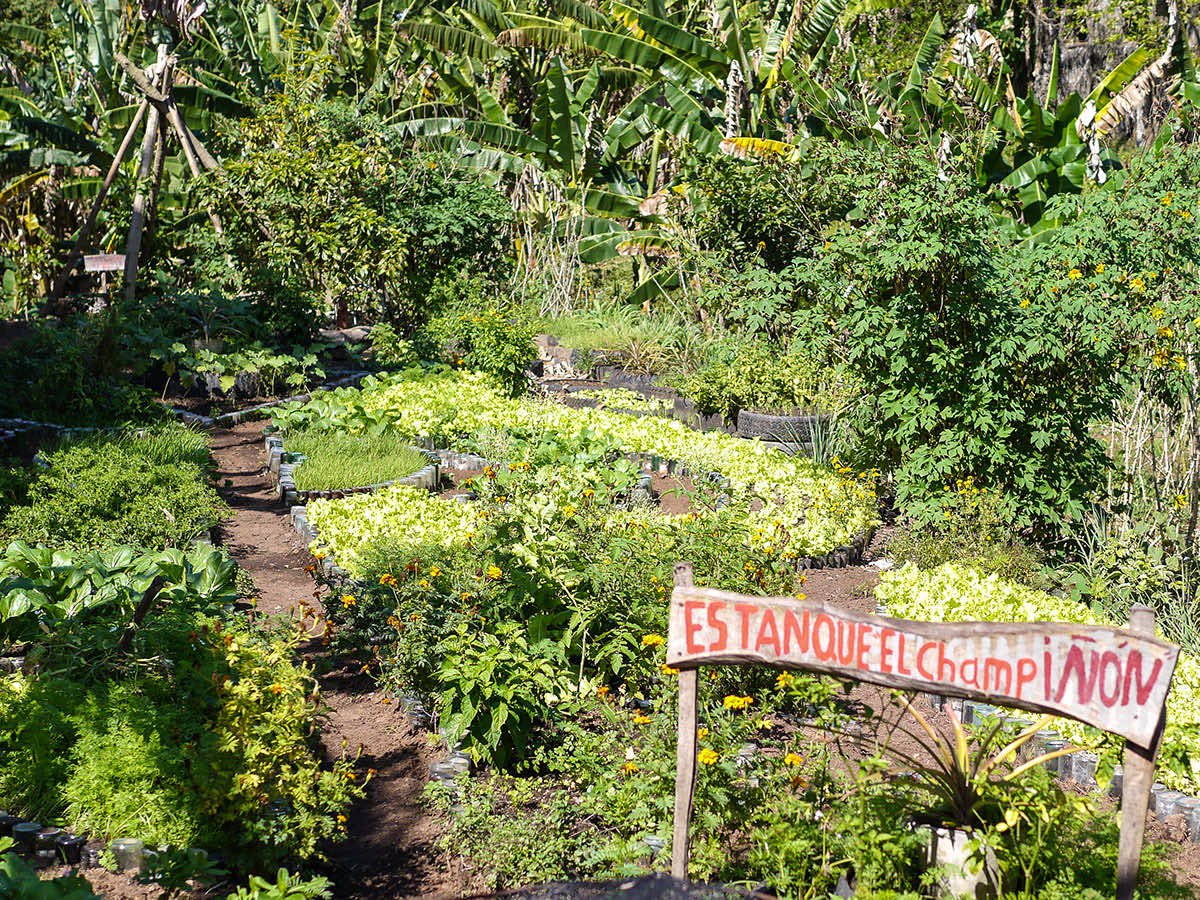
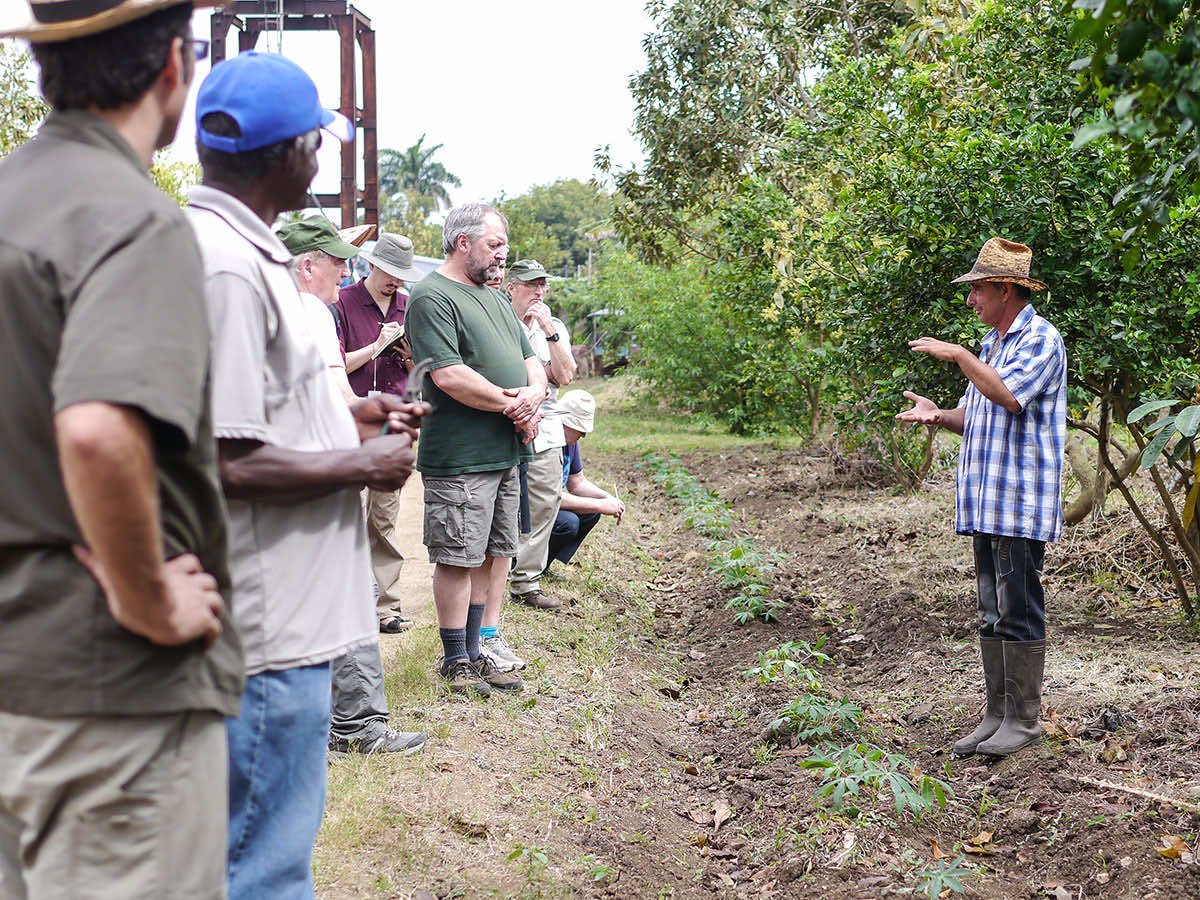
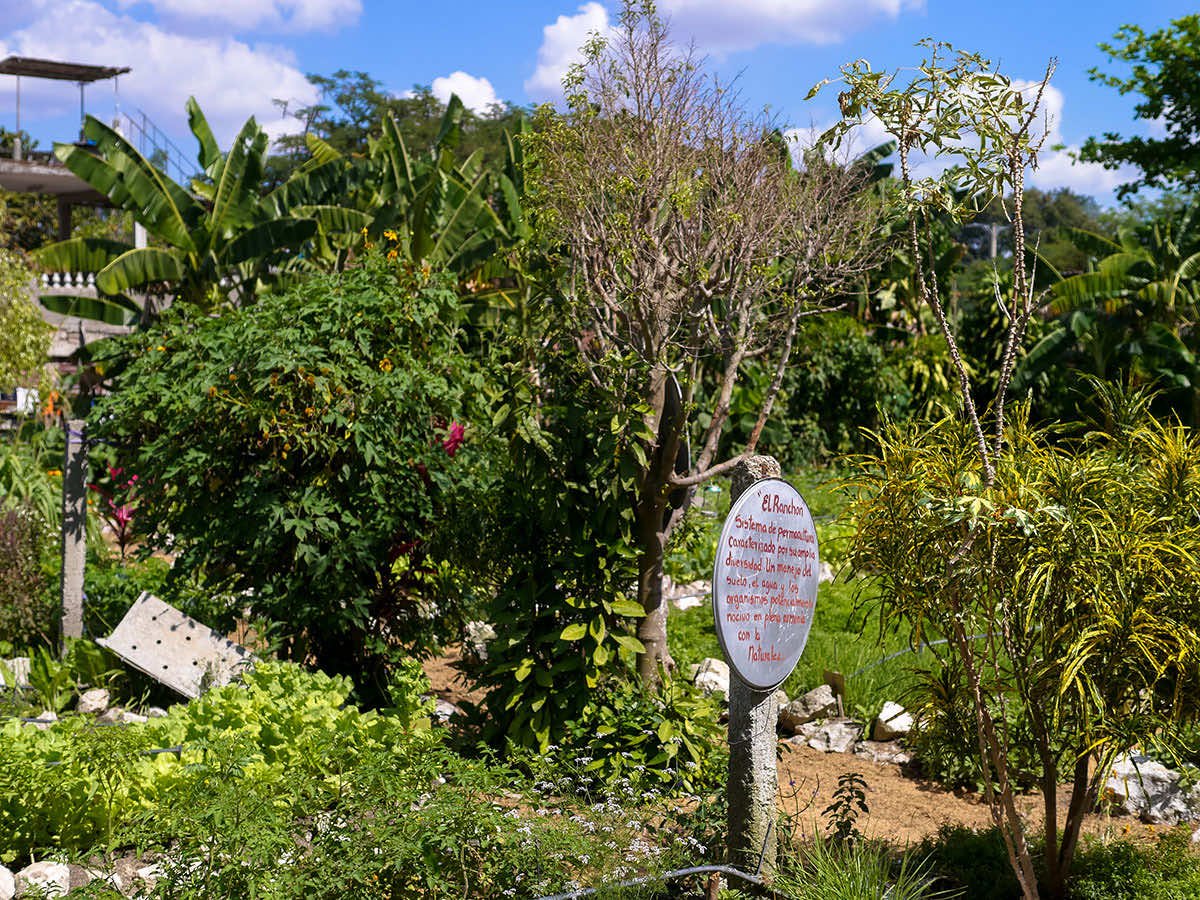
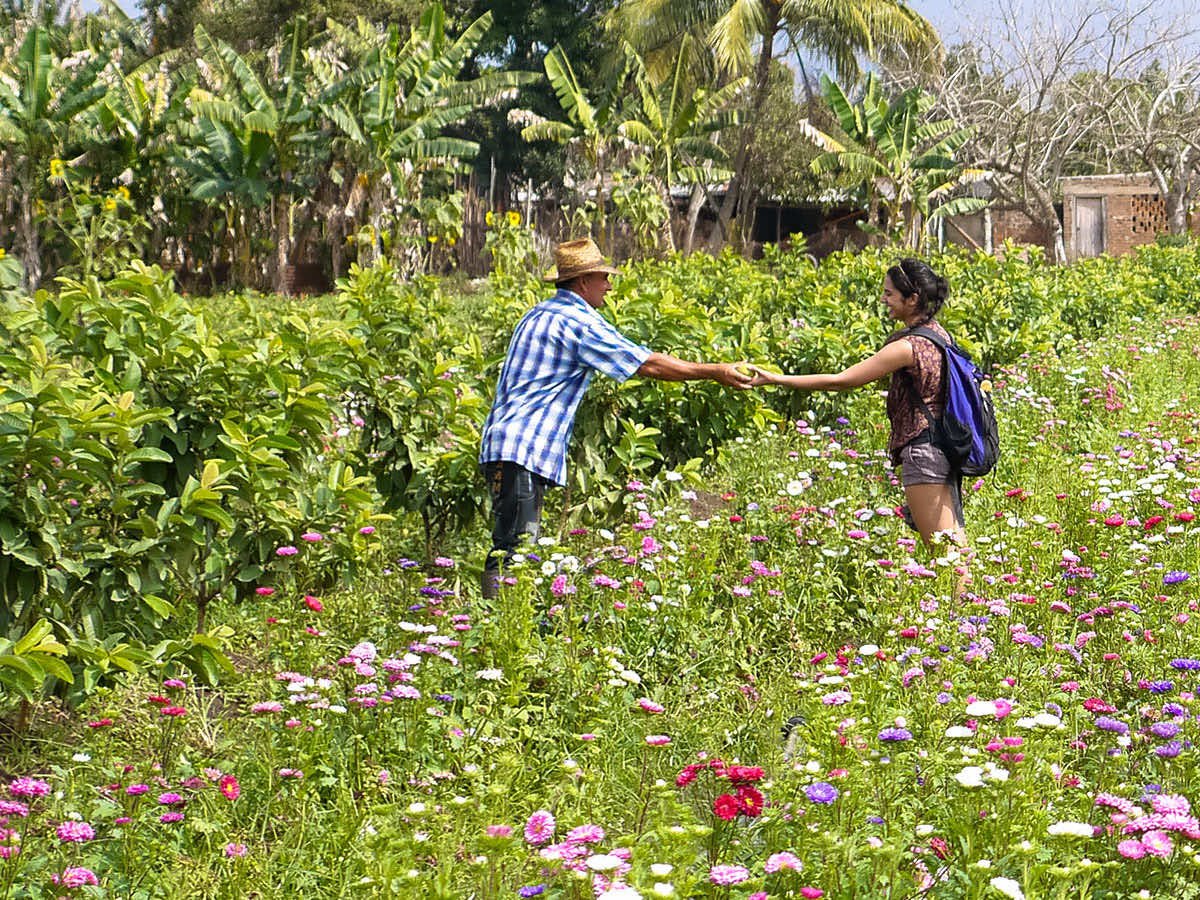
Our program will begin in the city of Havana - Cuba’s bustling and historic capital. You will be met at the Jose Marti International airport on either January 31 or February 1 and transported to Convento Santa Brigida - a unique guesthouse oasis in the heart of the historic Habana Vieja. Most flights to Cuba will go through either Mexico or Miami, although there are several other routings for you to choose from.
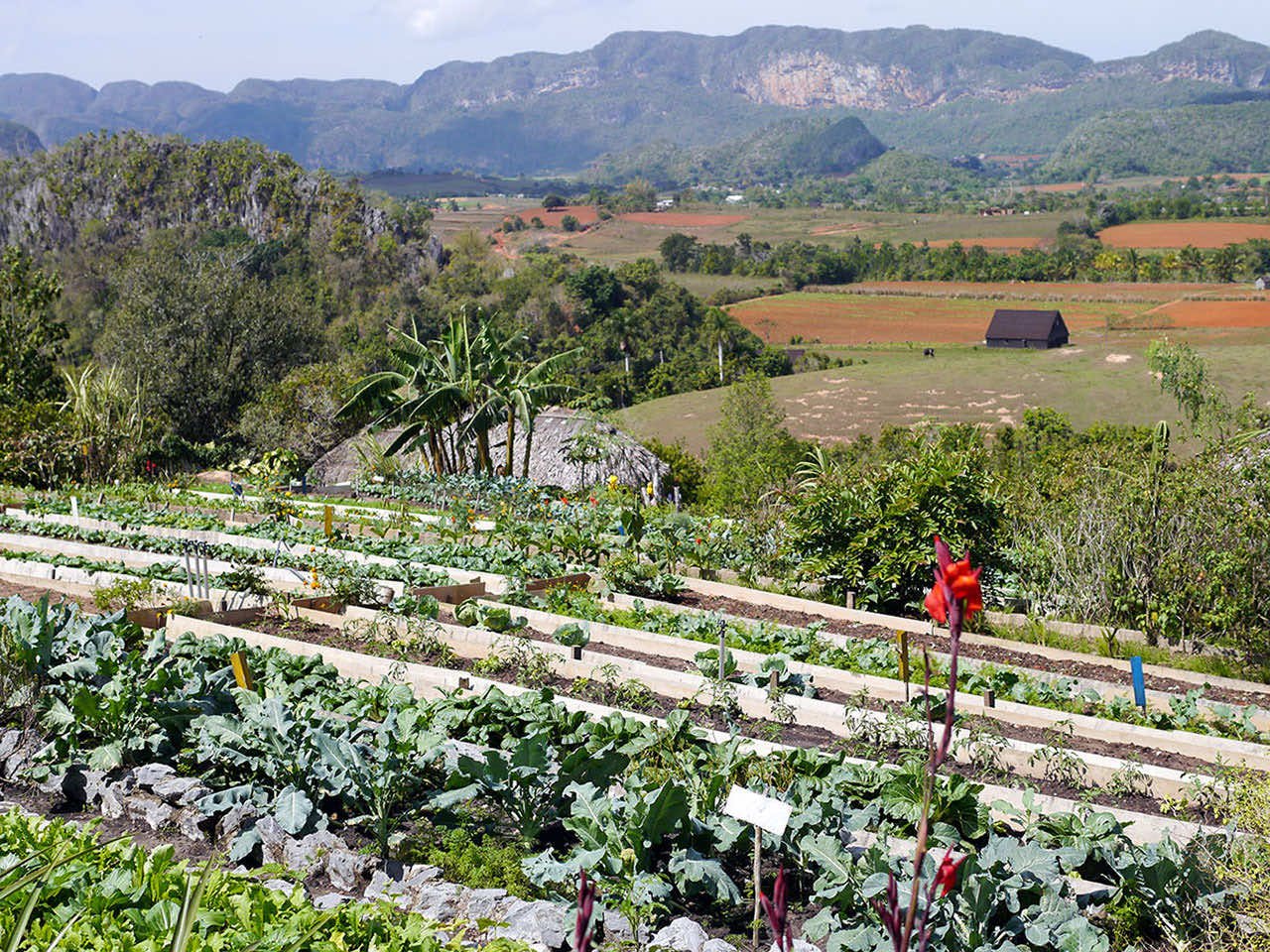
Havana will be our base for the first four days of our program. Together we will organize donations and gifts for our Cuban partners and farmer friends and will hear from local Cubans as to the state of the current crisis in the country. Near Havana we will visit Finca Marta - an incredible award winning small organic farm that has created a new model for successful small agricultural businesses in the country - along with other inspiring farms in the region both rural and urban. We will also have the opportunity to visit a farmer’s market, a coop restaurant, and other exciting initiatives in the face of the current difficulties in the country. And of course we cannot spend time in la Habana without a walking tour of the old city and a visit to some key historical, cultural and architectural wonders!
Leaving the Havana area, we will make our way towards Cienfuegos - a beautiful smaller city on Cuba’s southern Caribbean coast. While is Cienfuegos, we will spend two nights in Casa Particulars - Cuba’s version of B&B’s - in historic homes in the centre of town. In addition to exploring the city, we will see local examples of agro-ecology in the region.
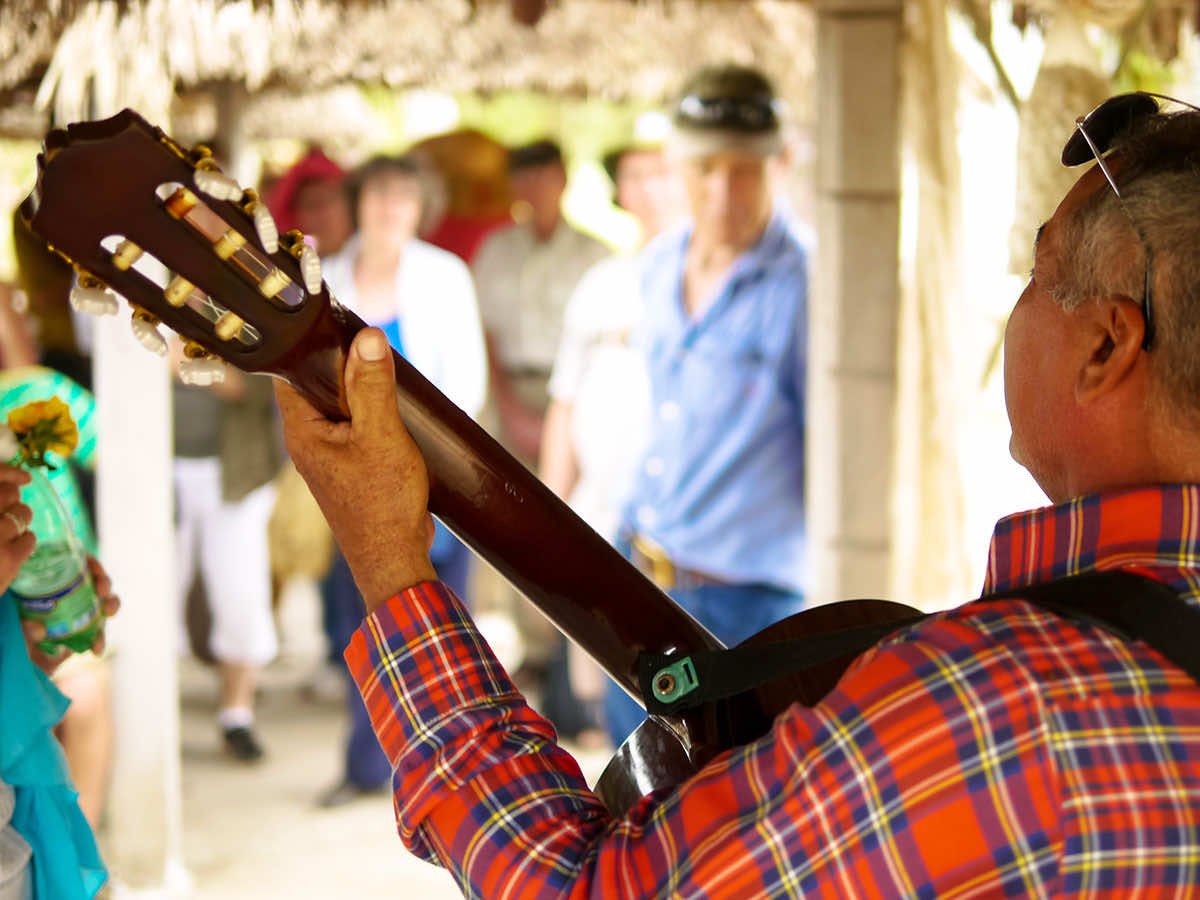
Next we continue eastward to the city of Sancti Spiritus - a “hotbed” for urban agriculture and permaculture in the country with a couple of exciting stops along the way. During our time in Sancti Spiritus we will visit two projects (El Estadio and El Paraiso) that have recently installed solar systems thanks to the generosity of Canadian supporters of our SOLidarity with Cuban Farmers project. We will meet some of our longtime permaculture friends, enjoy a meal with the incredible Yohani, and celebrate Cuban music and culture!
Our next destination is the province of Matanzas including the cities of Varadero and Cardenas. En route we will visit the delightful Finca La Coincidencia - an ecological farm with an incredible pottery and art installation component. Once in Matanzas, we will have time to enjoy some of the most beautiful beaches in the world while making visits to several inspiring ecological farms (urban and rural) , powered by solar, in the area around Cardenas. We will conclude our formal program together with a meal and celebration on the beach with many of our new Cuban friends.
Throughout the program, there will be ample opportunities for discussion, reflection and sharing on a range of topics regarding the Cuban food system, the current economic and political crisis, Cuban history and culture and any other topics you would like to explore!
Transportation will be provided back to Havana at the end of the program for those flying out of Havana. There are regular flights out of Varadero through Miami for those who would prefer that option.
Accommodation ranges from small hotels to casa particulars throughout our travel area. Rooms are double occupancy but there is an option for a single room supplement or to be paired up with another solo traveller. We will have a private bus for the duration of our program. These days, due to the fuel blockade of the country, fuel is most easily accessed through the private sector, not state run gas stations, making a private vehicle the best and most reliable option for our movement around the country.
While the main purpose of our time in Cuba is to learn, share and stand in solidarity with Cuban farmers, permaculturalists and the cuban people, we also bring with us many much needed supplies such as seeds, hand tools, personal items, small technology and other items. We also make cash donations to each farmer and organization we visit which are included in the program fee. Some groups also choose to undertake additional fundraising and donation gathering efforts prior to travel.
Flights need to arrive in Havana no later than 2:00 pm on February 1. Departing flights can be out of Varadero or Havana any time from February 14 onward.
Final dates and itinerary are subject to change. The transportation and electrical infrastructure are currently very fragile and changes to our itinerary may be necessary.
Independent travel can be included following the end of the program as our visas will be valid for 90 days.
Testimonials from PREVIOUS ProgramS:
If you're wanting to be on the leading edge of the modern food and gardening revolution, this incredible experience is for you. If you want to see Cuba through an authentic and immersive lens, the Food, Farms and Forests tour is the way to do just that. Combining hands-on learning opportunities with visits to permaculture farms; homegrown Cuban cuisine; and a connection with Cuban families, people and culture; Ron's tour allows one to feel connected to a like minded community, to develop valuable gardening and food production knowledge, to feel empowered to create positive change, to meet leaders in the permaculture field and enjoy a spirit-filled adventure of a lifetime. I would recommend to anyone looking for this type of experience and will be back on the next tour! Josh Wright, Portage La Prairie, MB
I one hundred percent recommend participating in Cuba: Food, Farms and Forests with Ron and Naomi. Ron's depth of experience in Cuba; familiarity with Cuban history and culture; deep respect for the people of Cuba; open-mindedness and commitment to learning; extensive access to resources for accommodation, transportation and experiences and his fluency in Spanish all contribute to participants having an unforgettable and deep travel experience. Seeing how much respect and admiration Ron's Cuban friends and associate farmers have for him affirms that you are in good hands for this kind of experience. All details were incredibly well managed. Being able to experience Cuba through the lens of food security, permaculture, agriculture and community is super special! You truly get an opportunity to connect with the land, the people and the culture in a meaningful way. Contributing to Cubans with the attitude of solidarity rather than charity is at the heart of this tour and is felt in all of the activities. It’s just the best. You should do it!! Darcy Kaltio, Victoria BC
Muchas gracias Ron and Naomi for offering such a wonderful experience for people wanting to learn about, and contribute to permaculture in Cuba. The strong relationships that you have built over time with these Cubans offered us the unique opportunity to meet “real” Cubans, to stand in solidarity with them, and to gain a deeper understanding of Cuba. Ron and Naomi were much more than “tour leaders”. They always went above and beyond in “taking care” of us to ensure that we had an interesting, but a also safe and healthy experience. Barbara Seed, Sechelt, BC
Wow! A life changing rich meaningful experience in solidarity with the Cubans. Learn from the Cuban farmers, leaders in permaculture, eat delicious home grown food at their farms and work with them in a hands-on learning experience. Combine that with Ron's impeccable translation and organization of the tour, and Naomi's attention to detail and care and you have magic while learning to flow and work with nature. Superb value, attracts people of similar values, and a once in a lifetime opportunity to experience authentic Cuba. Linda Omichinski, Portage la Prairie, MB
Are you… An organic farmer, gardener or permaculture practitioner? Eager to experience the rich culture, ecology and beauty of the real Cuba? Interested in local food security and sustainable agriculture? Ready to share an alternative eco-agricultural experience with a group of other Canadians (and others!) and Cubans? Willing to stand in solidarity with the Cuban people during this time of crisis and uncertainty?
If you answered yes to any or all of the above then this tour is for you!
The Urban Farmer
Ron Berezan has lead 30 group agricultural trips to Cuba over the past 16 years. He has deep connections to the Cuban organizations and leaders in the organic agriculture, permaculture and agro-ecology movements. Ron is a fluent Spanish speaker with a deep knowledge of and love for Cuba. He is an organic farmer and consultant who has lead countless food security related projects and workshops in communities throughout Canada and beyond. Ron lives in Powell River on traditional Tla’amin territory.
The Antonio Jimenez Foundation for Nature and HUMANITY
This Cuban NGO has been promoting the protection and enjoyment of Cuba’s incredibly diverse natural and cultural heritage for the past 35 years. With delegates in most Cuban cities, they facilitate the permaculture movement that has spread throughout the country. Eduard Valsquez will be our main contact with the Foundation throughout our time in Cuba. The Foundation will also be securing our special visas for this program.
JESUS (CHUCO) IGLESIAS
We are so delighted to be once again working with Chucho in the creation and delivery of this unique program! Chucho has a lifetime of experience in the Cuban agricultural sector as an academic, researcher, project facilitator and ambassador. He worked for several decades at the Indio Hatuey Agricultural Research Station and more recently as the sustainable agriculture specialist at the CCRD (Centro Cristiano de Reflexion y Dialogo) in Cardenas. Chucho is currently employed both at the university in Cardenas and by ACPA (The Cuban Association of Animal Producers).

Frequently Asked Questions
-
YES! And NO… Since we are getting special visas for undertaking non-tourism activities in Cuba, you will need to enter the country with that visa. It will be possible to access that visa a few days before the program starts but not longer than that. It is VERY difficult to change your visa while in Cuba. The visas will be good for 90 days so it is best to plan personal travel time after the program ends, rather than before. Ron can discuss particular situations and needs in this regard with you.
-
No you don’t. Solo travellers will be paired up. The single occupancy surcharge is only for those who want to have their own room.
-
Our group size will range from 16 to 24 (plus Ron, Naomi and at times Cuban friends). While we often spend time as a large group, there will also be opportunities for solo time and smaller group time.
-
From the point of view of Cuba, yes you can. We have had numerous Americans on previous programs and there has been no problem with securing their Cuban visas with their entry into the country. However, it is your responsibility to research and comply with the American legal framework around travel to Cuba for American citizens. As Canadians, we cannot get involved in this nor can we offer you advice. Many Americans have found our programs to clearly fall within the 10 permissible categories of travel to Cuba for American citizens.
-
Our ground travel will range from rented busses (both air conditioned tour busses and decommissioned school busses), the back of large trucks, vans and cars and large converted vehicles that are used for transportation. For the most part, we will travel as Cubans do and will have a full range of experiences while doing this!
-
No, we are not! Nothing wrong with that of course if that is what you are looking for. This program offers a very different alternative that takes us much closer to the normal life of Cubans including staying in their homes on some occasions. We will also be staying in a hostel style facility in Cardenas, a small Colonial hotel in Sancti Spiritus, and a convent in Old Havana.
-
Vegetarianism and veganism are not well-established diets or traditions in Cuba. Many restaurants will simply provide the regular meal minus the meat when requesting a vegetarian option. That being said, beans are a staple food in Cuba as are tubers such as sweet potato, cassava (yucca), taro root and plantain. There are no large grocery stores in Cuba with meat substitutes, tofu or other commonly available vegetarian entrees. After bringing 27 groups to Cuba, each one with at least a couple of vegetarians, most of the farms and organizations we connect with will be familiar with the fact there will be non meat eaters among us.
-
No you don’t! As part of the program package, we offer translation from Spanish to English and English to Spanish at all of the farms and other locations we visit. That being said, learning some Spanish means you will be able to directly engage with our Cuban counterparts and hosts and be less dependent on translation. While some Cubans speak multiple languages including English, most people in the country are unilingual Spanish speakers.
-
Our program itinerary takes us to a range of organic farms and permaculture projects both in urban areas and in the countryside. Some of these farms are small family run operations focused primarily on self-sufficiency. Others are commercial operations selling to the wider public. We will also visit some demonstration farms that help to share organic farming and permaculture skills with new farmers. Most of the farms we visit are mixed – growing a range of vegetables and fruits and often raising some animals.
-
Yes, you can. Everybody needs some space now and then and you are welcome to opt out of activities if you desire. Of course, when we are on the road travelling from one region to another, we all need to travel together. Everybody has different levels of energy and pacing yourself is important. Though of course, you will want to make the most of this trip and take advantage of as many of the experiences as you can!
-
Cuba is one of the safest countries in the world to travel. Crime rates are generally low and violence is very rare. Political unrest such as public demonstrations, though it does occasionally happen, is also very uncommon. American media of course is quick to emphasize (and also to foment) unrest in Cuba while ignoring the fact that compared to most other Latin American countries, Cuba is very stable and safe. Tourists do need to take precautions, however, as theft does occur in areas frequented by tourists. There are many common sense precautions we can take to reduce this risk.
-
Cuba is not currently checking vaccination status for Covid 19 nor for other infections. That could change, however. Please consult with your own medical professionals to decide what kind of vaccination protection is best for you. Most travellers are advised to have updated tetanus and typhoid vaccinations. Cuba has had limited cases of Zika virus and cholera and regular outbreaks of mosquito borne dengue fever in the past. Protecting yourself against mosquito bites is the best strategy for preventing these infections.
-
Inflation has hit Cuba very hard in the past couple of years and most things are more expensive than you would expect. Plan for costs that are perhaps about 25% lower than what you would pay in Canada with respect to meals out, alcohol, etc.. How much you bring is a personal decision based on your own preferences and habits. Most people will want to bring a minimum of $300 Canadian dollars with them.
-
The $500 deposit for this program is non-refundable unless, for some reason, we need to cancel the program. The final payment is due on December 31. If you need to cancel after that date, you will forfeit the $500 deposit and any other costs incurred for your participation – i.e. visas.
-
Winter is generally the most pleasant time for foreigners to travel in Cuba. Daytime highs will normally be between 24-30 degrees Celsius. Nights will generally drop to no less than 15 degrees. Rain is possible during this time of year though it is predominantly the dry season. Violent storms, ie hurricanes are virtually unheard of in the winter, ending usually by early November. The Caribbean sun is intense all year round and appropriate precautions need to be taken.
-
Yes, you will! We will be spending most of our time outside of the major tourist bubbles which will offer you a unique view into everyday life in Cuba. Whether on farms, walking down the street, in a shop or at a cultural venue, we will have lots of contact with the Cuban people. Most Cubans are very welcoming of contact with foreigners and are particularly interested in our reasons for coming to the country.
-
We make a financial contribution to every farm, project and community group we visit. It has also been our tradition to bring a number of small gifts which we combine together to leave with our hosts and Cuban friends. There will be more details on this provided as part of our orientation package. But most important of all is the time we share and the solidarity we demonstrate through our presence and our interest in them, their projects and their communities.
-
While this is not an accredited program in and of itself, many students have been able to arrange for credit with their educational institutions. We are happy to support those efforts with a letter and a description of our program itinerary and the pedagogy accompanying it.
-
Cuba is currently going through a very difficult economic time with a shortage of many everyday necessities including food. This is partially due to the lingering impacts of the pandemic, global inflation, and a drop in tourism, but also due to the ongoing effects of the American embargo on the island. When we are on farms and staying with families or at community locations, we will be very well cared for. Options while dining out will be somewhat limiting. Coming with a spirit of flexibility and understanding will make a very big difference in the quality of your experience. It is also helpful to bring a few favourite snacks such as energy bars, etc for tying you over when getting a quick meal may be difficult.
-
Technically, to visit farms in Cuba requires a special permit by the international visitor. There are exceptions. Some farms in Cuba have received permission to host tourists on visitor visas. The bigger challenge is making the contacts that would lead you to many of these incredible organic farms and permaculture projects! There are no shortage of exemplary “hidden gems” of incredibly productive, diverse and well run organic farms in Cuba but they are often far off the beaten track.